Tenebris: Terra Incognita Career System Explained
Promote at 11 and 21 without wasting talent points or experience.
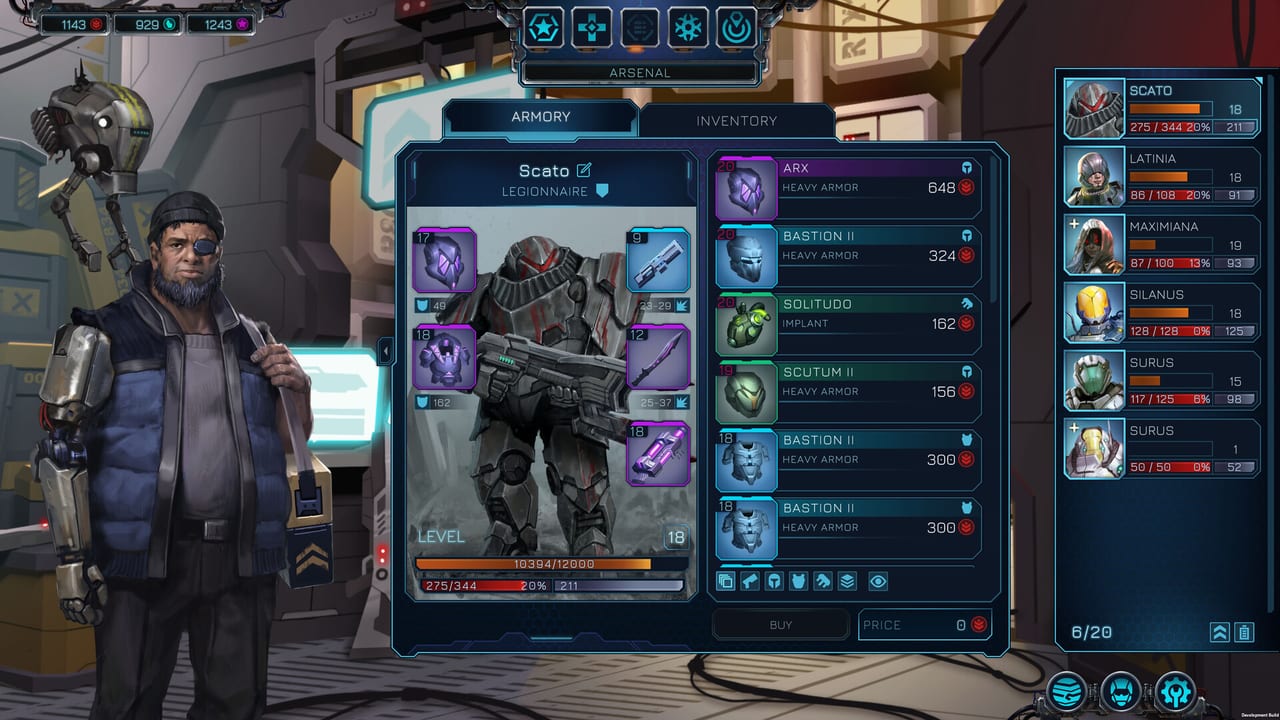
The Career system is the long-term identity engine of Tenebris: Terra Incognita. Heroes gain levels from missions and kills, spend talent points into active and passive skills, then transform into advanced subclasses when they reach the promotion thresholds around levels 11 and 21. Understanding careers matters as much as understanding guns—wrong promotions create awkward kits that feel “weak” even when the hero’s base archetype is strong.
The short version
- Level a basic class (Miles, Pellentes, Defencor, Medicus, or Technicus).
- Near level 11, open the unit menu Career tab.
- Press and hold the desired advanced class icon to unlock it (same hold pattern used for many skills/upgrades).
- The hero switches class and levels according to stored experience—developers have confirmed unused XP is not lost if you wait.
- At level 21, repeat for the next branch where choices exist.
- If the build is wrong, return to the tier-1 icon in the same Career window to reset skills toward a new plan.
That hold-to-unlock step is the detail that traps new players who only click once. If you are stuck at a level cap with full XP bars, you are usually waiting on a Career unlock, not a bug. More UI notes are on Controls.
Why careers exist
Phantasmica Studios designed careers so five readable starter roles can bloom into a wide late roster—23 heroes at version 1.0—without dumping twenty tutorials on hour one. A promotion can change a support kit into an attack kit or turn a shotgun wall into a flamethrower crusader. Talent trees are per specialization, so rebuilding after a reset is expected, not a failure.
Examples of how lines diverge:
- Miles → Impetum (and later branches) — deeper marine damage sequencing.
- Pellentes → Sancto or Vidua — control sniping versus raw damage identities.
- Defencor → Legionnaire or Ignifer — fortress tank versus heat tank.
- Medical and technical basics → advanced healers, Librator-style kits, and other specialty trees.
- Late armored fantasies such as Centurio and Phoenix — specialized mid/late answers once the campaign supports them.
Read archetype jobs on Basic Classes before you pick a branch solely because the art looks cool.
Planning promotions like a campaign manager
Before level 11
Decide the hero’s permanent job in your Best Squads plan. If Miles is your primary clearer, Impetum is a natural first promotion. If Pellentes must delete bosses, choose Sancto or Vidua based on whether you need safer sniping or maximum burst.
At level 11
Unlock promptly once you know the plan. Sitting on a full XP bar teaches nothing. After unlock, respec talents so points match the new tree instead of leftover basic picks that no longer synergize.
Toward level 21
Second promotions are rarer and more identity-defining. Some lines offer meaningful forks; others are narrower. By now you should know whether your campaign needs more burn, more armor regen, more precision, or more utility. Late 1.0 content—new subclasses, Necronoms, world bosses—punishes indecision more than early Misty Wasteland maps. Skim Version 1.0 when choosing expensive late careers.
Resetting talents without panic
Developer guidance: you can return to the tier-1 class icon in the Career window to reset skills so they suit a new class. Use resets when:
- You unlocked the wrong branch.
- A patch rebalanced a keystone talent.
- Your squad role changed (for example, Defencor shifting from pure wall to Ignifer offense).
Do not reset every mission. Do reset when the kit fights itself. Track balance swings on Patch History and the Updates Hub.
Experience, hospitals, and opportunity cost
Careers consume the same scarce fuels as everything else: mission XP, gear, and uptime. Promoting six heroes thinly is worse than promoting a core four well. Keep bench units useful, but feed your primary damage, tank, and healer lines first—see the Hero Tier List for investment priority language.
Hospitalize injured specialists instead of dragging them through a promotion fight at half HP. A career unlock does not replace positioning skill or stimulant discipline; Difficulty Tips covers when to spend those resources.
Common career mistakes
- Clicking a class icon once instead of holding to unlock.
- Promoting every hero immediately without a squad plan.
- Ignoring talent resets after a branch change.
- Evaluating a fresh career with old gear that buffed the previous kit.
- Copying a tier list name without reading whether that tier assumes the promoted form.
Careers and the wider wiki
- New to the game? Getting Started
- Need role primers? Heroes Overview and Basic Classes
- Need comps? Best Squads
- Need patch context? Version 1.0
Treat careers as intentional transformations. The hold-to-unlock moment should feel like committing a soldier to a doctrine—not like accidentally pressing a menu button.
Frequently Asked Questions
Quick answers to the most common questions.
I am stuck at level 10 with full XP. What do I do?
Open the unit Career tab and press-and-hold the advanced class icon to unlock the promotion. Experience is retained.
Can I change careers later?
You can return to the tier-1 icon in the Career window to reset skills and realign the hero for a new direction.
Do all heroes get two choices at level 11?
No. Some lines are narrower early (Miles often emphasizes Impetum first) while others, such as Pellentes, offer clearer forks like Sancto versus Vidua.
When should I unlock a career?
As soon as you have a squad plan for that hero. Sitting on a full XP bar only delays stronger talents.
Do patches change careers?
Talent numbers and even tree layouts can shift. Recheck patch notes before locking expensive level-21 plans.